Do You Really Need More Brow Hair?
You think you need more brow hair… but that’s probably not the actual problem.
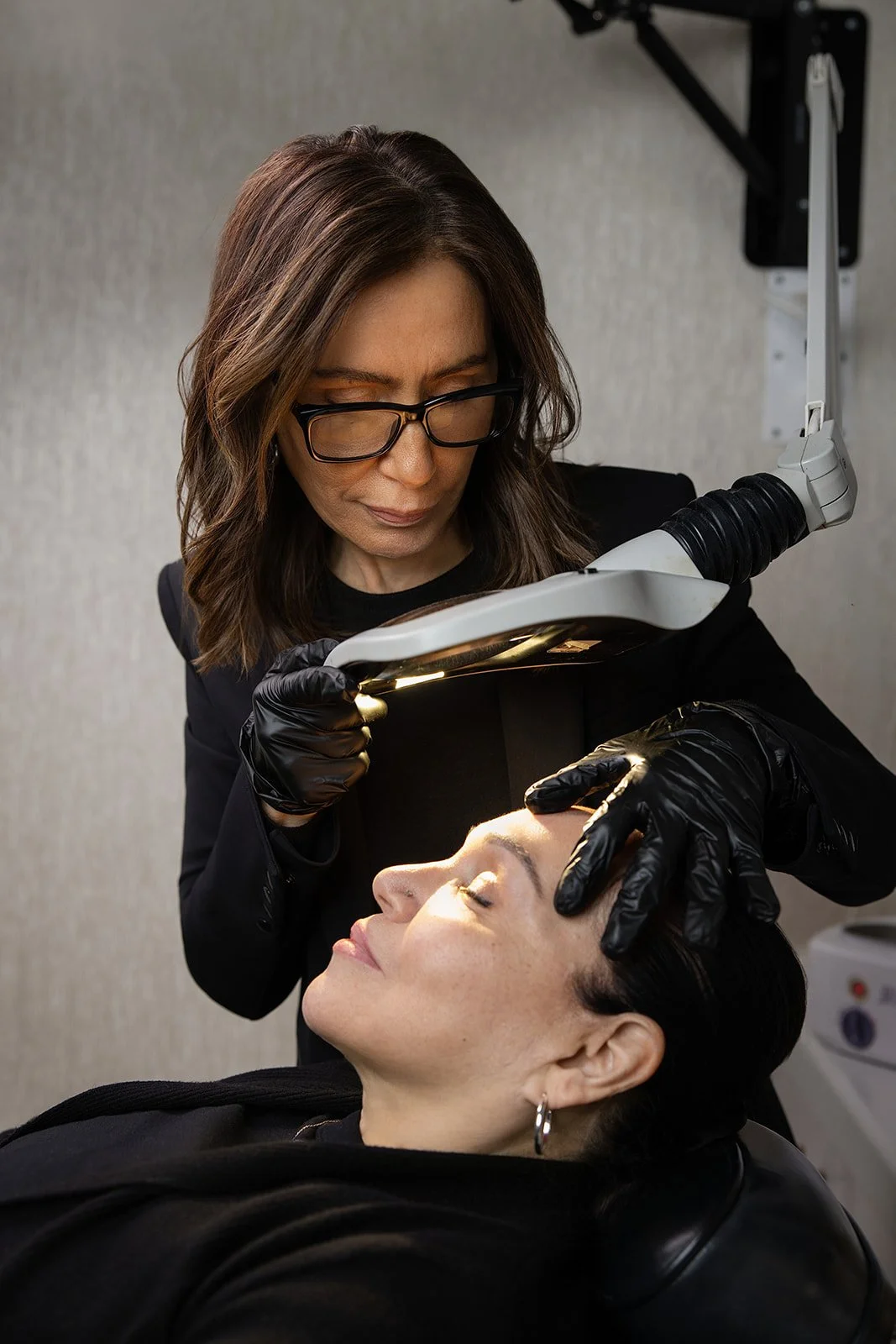
One of the very first things women say when they sit down in my chair is, “Denise, I just don’t have enough brow hair to work with.” But after more than 26 years of specialized brow shaping, I’ve learned that is rarely the whole truth.
Many women actually have far more brow hair than they realize. The catch? It’s just lighter, finer, or currently growing in transition areas that aren’t actively helping the overall structure.
That’s exactly why I don’t start an appointment by focusing on what’s missing. Instead, I focus entirely on what you still have.
Before I remove a single hair, I study your natural growth pattern, your unique facial features, and where your arches hold the most hidden potential. You would be amazed at how a simple, strategic shift in shape can instantly make your brows look significantly fuller—without needing to grow a single new hair.
If you’ve been looking in the mirror thinking you just need more hair to have beautiful arches, please don’t give up yet.
You may very well already have exactly what you need. It might just take a trained, experienced eye to see it and bring it to light.
Wondering what your brows are capable of? I’d love to help. Book a one-on-one consultation, and together we’ll create a plan that’s tailored to your natural brows and your goals.